Legal vs Symbolic Wedding in the Dominican Republic: 2026 Guide
By WBA Studio · Punta Cana Wedding Photography & Film · Updated August 2026
Every couple who books a destination wedding in the Dominican Republic runs into the same question sooner or later, usually around the third or fourth planning call: should the ceremony be legal, or symbolic? It sounds like a small administrative detail. It isn't. It's one of the first decisions that shapes everything downstream, your paperwork, your guest experience, your timeline, and yes, your photos.
We get asked about this so often that we decided to write down everything we tell couples in that first planning conversation.
What a Legal Wedding Actually Requires
A legal wedding in the Dominican Republic means your marriage is officially registered with Dominican civil authorities on the day of your ceremony. Once you complete the apostille and translation process required by your home country afterward, that marriage is recognized internationally. No second ceremony required, no separate courthouse visit when you get home.
But legal recognition comes with paperwork, and paperwork has a way of dictating your schedule. Here's what you'll need in hand:
Both partners need valid passports, plus a certificate of single status or a divorce decree if applicable, apostilled in your home country before you travel. All of that documentation needs an official Spanish translation. Both of you need to be physically present on the day of the ceremony (no proxy signing), and you'll need witnesses on hand with valid identification.
None of this is difficult, but it does take lead time. We tell couples to start the process 60 to 90 days before travel. Leave less time than that and you're often waiting on translations or apostille processing right up against your wedding date, which is not a stress you want during your final planning weeks.
What a Symbolic Ceremony Gives You Instead
A symbolic ceremony carries no legal weight in the Dominican Republic. That's the whole point. Without a civil registration process attached to the ceremony, you get to design it entirely around what you and your partner want, the script, the officiant, the structure, the length, all of it is yours to shape.
Most couples who choose this route are already legally married, either before the trip in their home country, or they'll handle it afterward. The destination ceremony becomes purely about the celebration itself, with family and friends physically present for the moment, even if the legal marriage happened somewhere else on paper.
The Part Most Couples Don't Think About: Your Timeline
Here's where this stops being a legal question and starts being a photography question.
A legal ceremony has built-in structure. There's a civil officiant, often reading formal text in Spanish, document signing, and witness verification, all of which take real time. It's frequently a beautiful part of the ceremony, solemn and meaningful, but it does mean your ceremony has less flexibility around start time. If your officiant is only available at a certain hour, your whole day gets built around that hour, whether or not it lines up with ideal light.
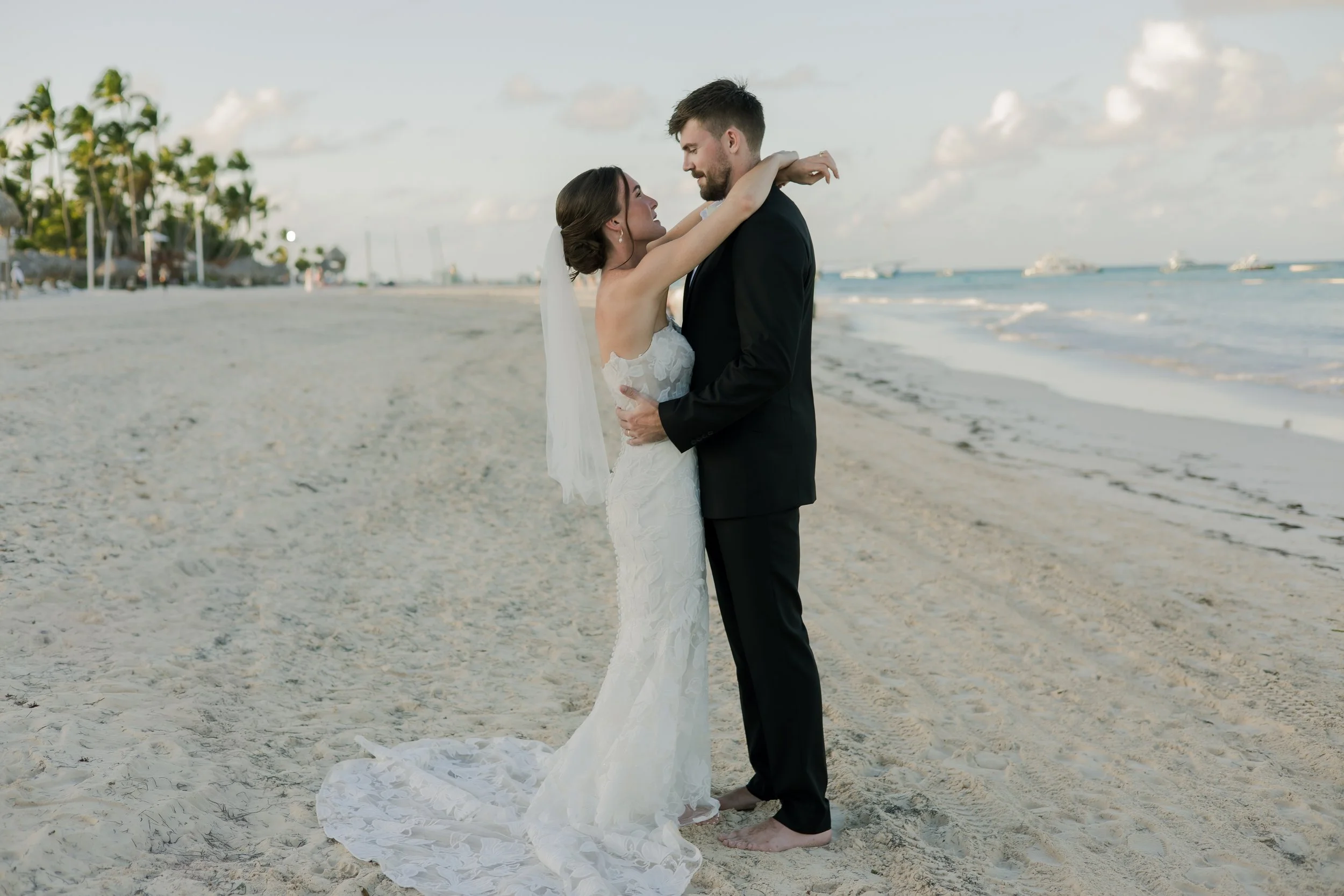
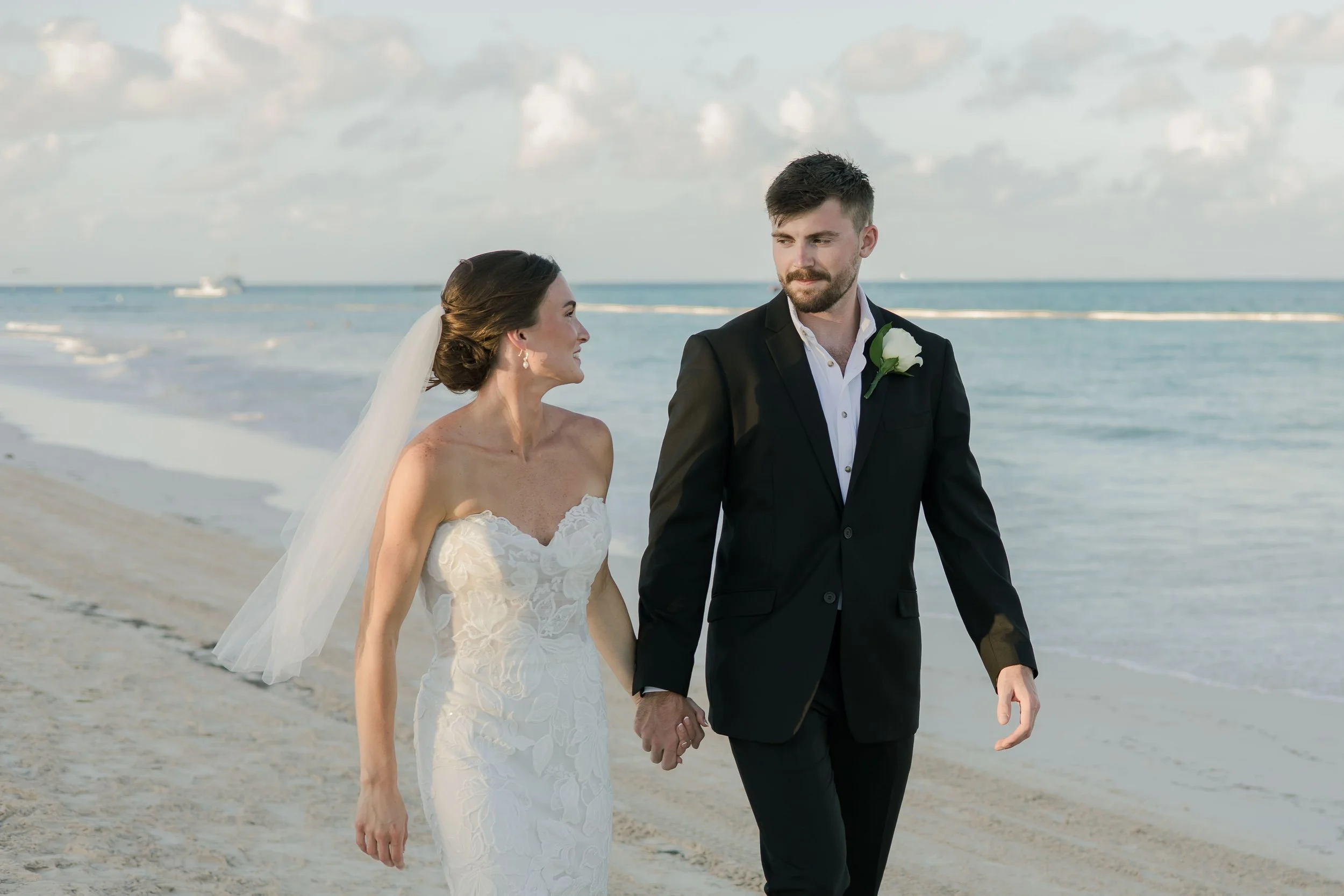
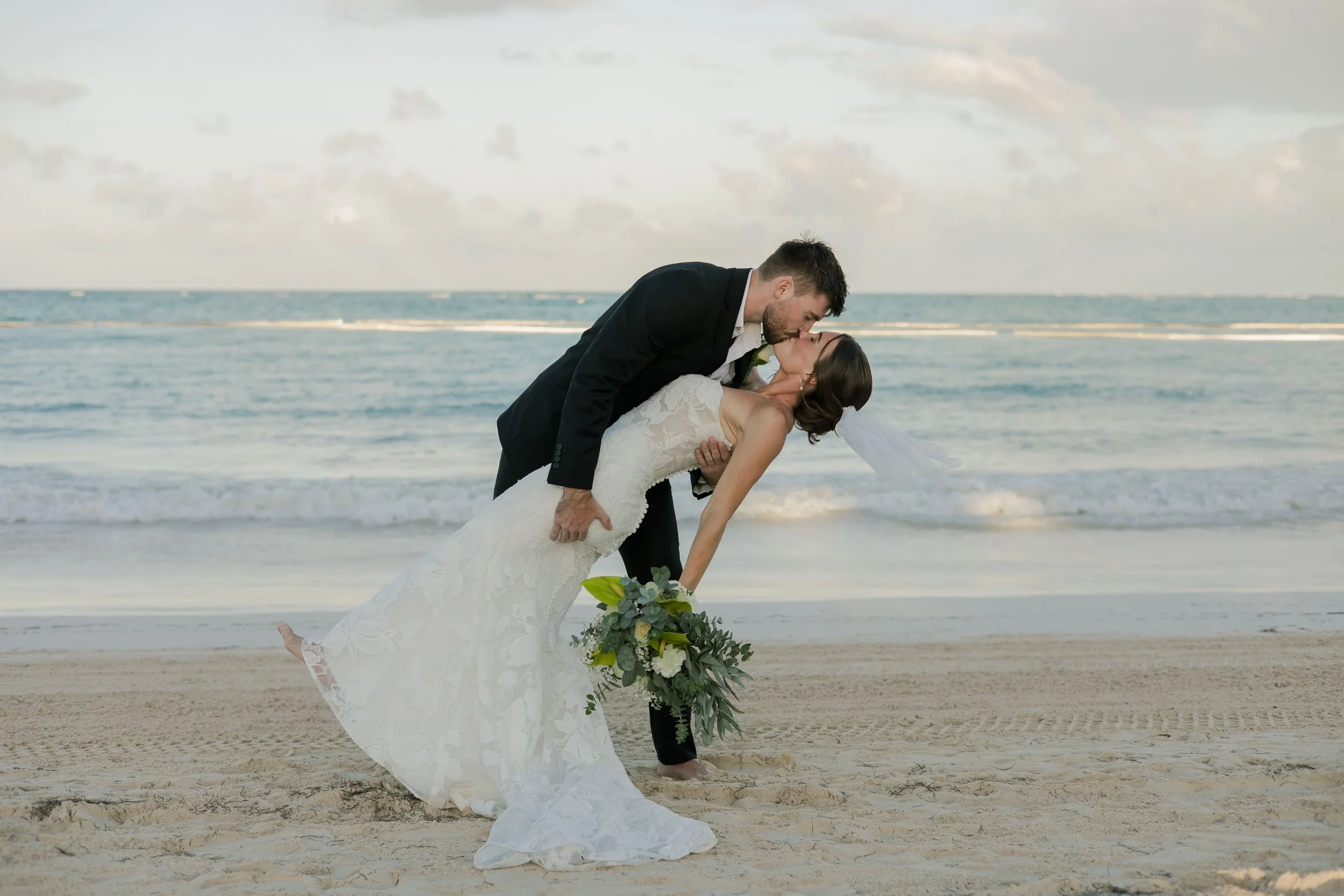
A symbolic ceremony has no such constraint. Without a legal officiant's schedule to work around, you can put your ceremony wherever you want in the day, and that's exactly why so many couples who choose symbolic ceremonies schedule them for golden hour, that window in the last hour before sunset when the light turns warm and soft and every photo looks like it was pulled from a film. It's not an accident that so many of the most striking beach ceremony photos you've seen were shot in that window. Somebody planned for it.
This is one of the first questions we ask every couple during planning: is your ceremony legal or symbolic? The answer changes how we build your shot list and your day-of schedule from the ground up.
A few numbers worth knowing as you plan:
If you're having a legal ceremony, build in 20 to 30 extra minutes for document signing and witness verification, on top of the ceremony itself. If golden hour portraits matter to you and you're going the symbolic route, aim to start your ceremony 60 to 90 minutes before sunset, that gives you the ceremony, family formals, and couple portraits all inside that good light. And whichever direction you go, tell your photographer your ceremony type as early as possible. A timeline built with that information in mind looks completely different from one built without it.
Legal or Symbolic: Which Is Right for You?
There's no universally correct answer here, it depends on what you're optimizing for.
If you want to leave the Dominican Republic married with no further steps required, and you don't mind a slightly more structured ceremony with less control over exact timing, a legal wedding gets everything done in one trip. If creative control and golden hour matter more to you than handling the paperwork in one place, a symbolic ceremony gives you that freedom, with the tradeoff of needing to formalize the marriage separately, which some couples experience as feeling like two events instead of one.
After several years documenting weddings across Punta Cana and the eastern coast of the Dominican Republic, our honest recommendation is this: if the paperwork genuinely doesn't matter to you either way, a symbolic ceremony almost always gives us more room to work with as photographers, particularly around timing and light. If having everything wrapped up legally in one trip matters more to you, a legal wedding is completely workable, we just build the day-of schedule differently to make sure you still get the portraits you're picturing.
Frequently Asked Questions
-
Sixty to ninety days before travel, to leave enough margin for apostilles and translations to come through without last-minute stress.
-
Yes, and it's one of the most common paths destination couples take, a symbolic ceremony at the destination and legal registration handled back home.
-
Usually, by about 20 to 30 minutes, mostly due to document signing and witness verification. Worth building into your schedule so your photographer isn't rushed once the ceremony ends.
Before You Book Your Photographer
Once you've settled on your ceremony type and your day-of timeline is starting to take shape, the next decision is your photography style, editorial, documentary, or classic, so whoever you hire captures the day the way you're actually picturing it, not just the way it happened to unfold.
Ready to Tell Your Story?
We'd be honored to capture your Majestic Colonial wedding. Photography and film, crafted to bring you right back to the way your day felt.
📍 Majestic Colonial Punta Cana, Dominican Republic
📷 Photography & Video by WBA Studio